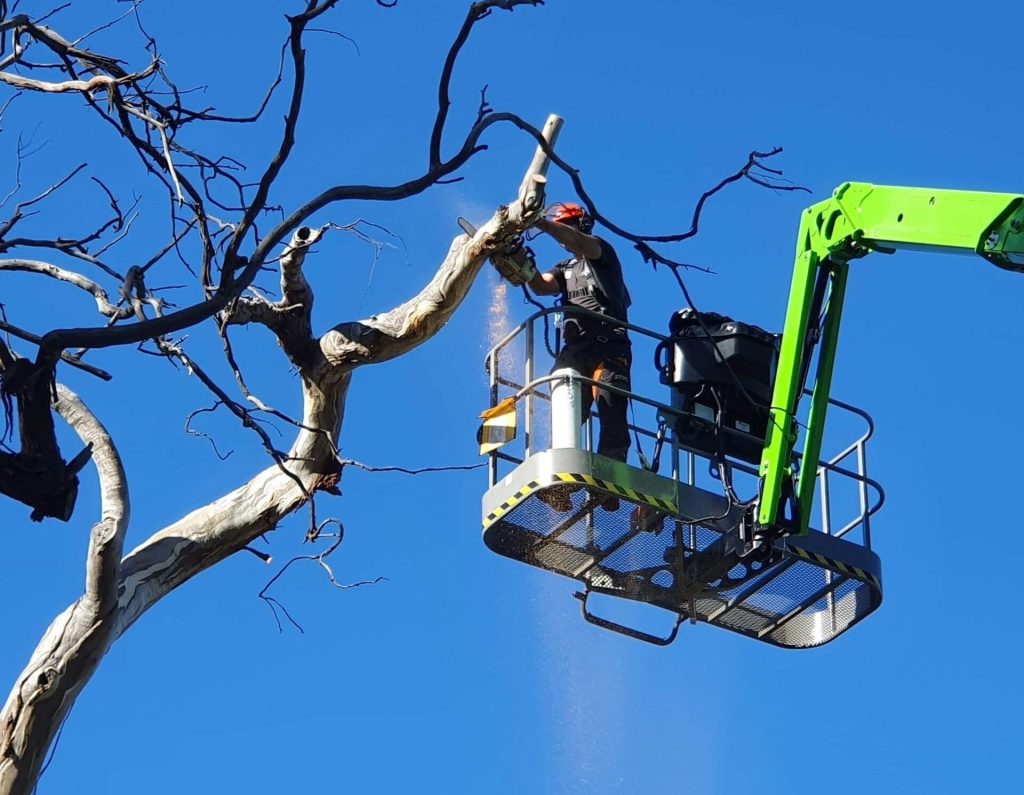

How to Tell If a Tree Needs Removing in Canberra
Trees are one of the most valuable features of any property, providing shade, privacy, habitat for wildlife, and visual appeal. However, there are times when a tree can become a safety risk, affect surrounding structures, or decline beyond recovery. Knowing when a tree should be removed is essential for protecting your home, family, and property.
In Canberra, trees are exposed to a wide range of environmental conditions including strong winds, drought periods, storms, and temperature extremes. These factors can impact tree health and stability over time.
At Stump’d Tree Services, we regularly assist homeowners and businesses across Canberra and Queanbeyan with professional tree assessments and removals. Here are some of the most common signs that a tree may need to be removed.
1. The Tree Is Dead or Dying
One of the clearest indications that a tree may require removal is when it is dead or showing significant signs of decline.
Common signs of a dying tree include:
- Large sections without leaves during growing seasons
- Brittle or falling branches
- Extensive bark loss
- Deadwood throughout the canopy
- Fungal growth around the trunk or roots
- Cracks appearing in the main trunk
A dead tree becomes increasingly unstable over time. As the timber deteriorates, branches can fall unexpectedly, and the entire tree may become vulnerable to collapse during storms or high winds.
If you’re unsure whether your tree is healthy, an experienced arborist can assess its condition and recommend the best course of action.
2. The Tree Is Leaning Significantly
While some trees naturally grow at an angle, a sudden or increasing lean can indicate structural instability.
Trees may begin leaning due to:
- Root damage
- Soil movement
- Storm impacts
- Waterlogged ground
- Structural defects
A leaning tree can pose a serious hazard if it is located near homes, fences, sheds, vehicles, or public areas.
Pay particular attention if you notice exposed roots on one side of the tree or cracks in the surrounding soil, as these can be warning signs that the tree is becoming unstable.
3. Large Branches Are Falling
Trees naturally shed small branches from time to time. However, if larger limbs are falling without warning, it could indicate a significant health issue.
Large branch failures may occur due to:
- Internal decay
- Disease
- Pest infestations
- Structural weakness
- Storm damage
If large branches are regularly dropping from your tree, it is important to have it inspected by a qualified arborist as soon as possible.
Falling limbs can cause serious damage to roofs, vehicles, fences, and power lines, not to mention the risk they pose to people.
4. Visible Signs of Decay
Decay is one of the most common reasons trees require removal.
While some decay can be managed, extensive internal or external deterioration can significantly weaken a tree’s structure.
Signs of decay include:
- Hollow sections within the trunk
- Soft or crumbling wood
- Large cavities
- Mushrooms or fungal growth
- Dead sections of bark
Unfortunately, much of a tree’s decay occurs internally and may not be visible from the outside. This is why professional inspections are important if you suspect your tree may be deteriorating.
5. Storm Damage Has Compromised the Tree
Canberra experiences strong winds and storms throughout the year, which can place enormous stress on trees.
Storm damage may result in:
- Split trunks
- Broken major limbs
- Uprooted root systems
- Structural instability
- Crown damage
While some storm-damaged trees can be saved through pruning and corrective maintenance, others may become too dangerous to remain standing.
A professional arborist can determine whether a damaged tree can be safely retained or whether removal is the safest option.
6. The Tree Is Damaging Property
Tree roots and branches can sometimes interfere with nearby structures and infrastructure.
Common issues include:
- Roots lifting driveways
- Damage to retaining walls
- Cracked paving
- Interference with underground pipes
- Branches rubbing against roofs
- Obstruction of solar panels
If a tree is causing ongoing structural damage or creating costly maintenance problems, removal may be the most practical long-term solution.
Early intervention can often prevent more expensive repairs in the future.
7. The Tree Has Serious Pest Problems
Certain pests can weaken trees and accelerate decline.
Common tree pests include:
- Borers
- Beetles
- Scale insects
- Termites in dead timber
- Various leaf-feeding insects
While many infestations can be treated, severe pest damage can compromise the tree’s structural integrity and overall health.
A professional assessment can help determine whether treatment is possible or if removal is necessary.
8. The Tree Is Too Close to Structures
Large trees planted too close to buildings can become problematic as they mature.
Over time, branches and roots may begin affecting:
- Homes
- Garages
- Fences
- Power lines
- Water systems
- Neighbouring properties
As trees grow larger, the risks often increase. In some cases, strategic pruning can resolve the issue. In others, complete tree removal may be the safest and most effective option.
9. The Tree Has Multiple Structural Defects
Some trees develop structural weaknesses that make them more likely to fail.
Examples include:
- Multiple trunks with weak unions
- Large cracks in the trunk
- Significant cavities
- Included bark
- Poor branch attachments
These defects can increase the likelihood of branch failure or total tree collapse, particularly during severe weather conditions.
Professional arborists are trained to identify these defects and assess the level of risk they present.
10. An Arborist Recommends Removal
Sometimes the signs that a tree needs removing are not obvious to property owners.
Qualified arborists use specialised knowledge and assessment techniques to evaluate:
- Tree health
- Structural stability
- Risk levels
- Disease progression
- Environmental factors
If an arborist recommends removal, it is usually because the tree presents a significant safety concern or has little chance of long-term recovery.
Seeking professional advice early can often prevent accidents, property damage, and costly emergency work.
What Should You Do If You Think a Tree Needs Removing?
If you notice any of the warning signs mentioned above, it is important not to ignore them.
Trees rarely improve on their own once significant structural or health issues develop. Delaying action can increase risks and lead to more expensive solutions later.
The best approach is to arrange an inspection with a qualified arborist who can assess the condition of the tree and provide expert recommendations.
Professional Tree Removal in Canberra
At Stump’d Tree Services, we provide professional tree assessments, tree removal, tree pruning, hedge trimming, and stump removal services throughout Canberra, Queanbeyan, and surrounding regions.
Owner and arborist Leon Ciura has extensive experience identifying hazardous trees and helping property owners make informed decisions about tree management.
Whether you have concerns about a dying tree, storm damage, root problems, or structural defects, our team can provide honest advice and safe solutions.
For expert tree removal services in Canberra, contact Stump’d Tree Services today on 0434 510 767 or visit our Tree Removal Canberra and Arborists Canberra pages to learn more about our professional arboriculture services.