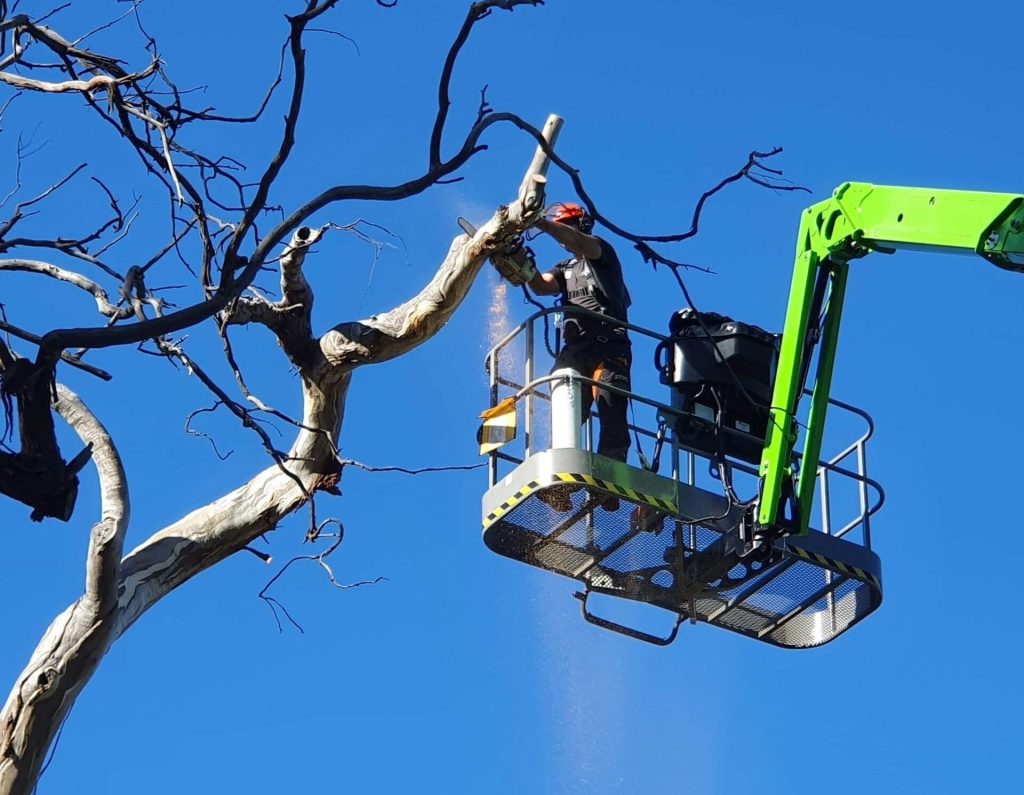

Emergency Tree Removal in Canberra: What to Do After a Storm
Canberra is no stranger to severe weather. Strong winds, heavy rain, hail, and winter storms can place enormous stress on trees, resulting in broken branches, split trunks, uprooted trees, and dangerous debris. While trees are generally resilient, extreme weather can quickly turn a healthy tree into a serious safety hazard.
After a storm, many property owners are left wondering what steps to take and whether professional assistance is required. Acting quickly and safely is critical, particularly when damaged trees are threatening homes, vehicles, power lines, or public access areas.
At Stump’d Tree Services, we regularly assist homeowners and businesses with Emergency Tree Removal Canberra services following storms and severe weather events. This guide explains what to do after a storm and how to safely manage storm-damaged trees.
Why Storm-Damaged Trees Can Be Dangerous
A tree may appear stable after a storm while actually having significant structural damage hidden from view.
Storms can cause:
- Broken branches
- Split trunks
- Cracked limbs
- Root damage
- Leaning trees
- Partial tree failure
Even if a tree remains standing, weakened branches or damaged root systems can increase the likelihood of future collapse.
This is why every storm-damaged tree should be carefully assessed before any cleanup work begins.
Step 1: Prioritise Safety First
The first and most important step after a storm is ensuring the safety of everyone on the property.
If you notice damaged trees:
- Keep family members away from the area
- Prevent access to affected sections of the property
- Avoid standing beneath damaged branches
- Stay clear of leaning or unstable trees
- Do not attempt to climb damaged trees
Storm-damaged trees can fail without warning, making them highly unpredictable.
Your safety should always come before cleanup efforts.
Step 2: Watch for Fallen Power Lines
One of the most dangerous situations after a storm involves trees or branches that have come into contact with power lines.
If you see:
- Fallen power lines
- Trees resting on electrical infrastructure
- Sparking wires
- Damaged electrical equipment
stay well clear and immediately contact the appropriate emergency services or electricity provider.
Never attempt to remove branches or trees that are touching power lines.
Professional crews with specialised training and equipment are required to manage these situations safely.
Step 3: Assess the Damage from a Safe Distance
Once conditions are safe, inspect your property from a distance.
Look for:
Broken Branches
Large branches hanging within the canopy can fall unexpectedly.
Split Trunks
Storms can create major structural cracks that weaken the entire tree.
Leaning Trees
A tree that suddenly begins leaning may have suffered root damage.
Uprooted Trees
Partially uprooted trees can be unstable and may continue falling.
Property Damage
Check for trees impacting roofs, fences, sheds, vehicles, and other structures.
Avoid touching or approaching damaged trees until they have been professionally assessed.
Step 4: Document Any Damage
If trees have caused damage to your property, take photographs before any cleanup begins.
Document:
- Fallen trees
- Broken branches
- Structural damage
- Impacted vehicles
- Fencing damage
- Roofing damage
These photographs may assist with insurance claims and help document the extent of storm-related damage.
Clear records can make the claims process much smoother.
Step 5: Contact a Professional Arborist
Once immediate safety concerns have been addressed, arrange a professional arborist inspection.
A qualified arborist can determine:
- Whether the tree can be saved
- If pruning is sufficient
- Whether emergency tree removal is required
- The level of ongoing risk
- The safest removal method
Many structural issues are not obvious to untrained property owners. What appears to be minor damage may actually involve significant internal weakness.
Professional assessment ensures the correct action is taken.
Common Signs Emergency Tree Removal Is Required
Not every storm-damaged tree needs to be removed. However, some situations require immediate action.
Emergency removal is often necessary when:
The Tree Is Leaning Severely
Sudden leaning often indicates root system failure and an increased risk of collapse.
Major Branches Have Split
Large structural branches that have fractured can become highly unstable.
The Tree Is Uprooted
Even partial uprooting can significantly reduce stability.
The Trunk Is Severely Cracked
Major trunk splits often compromise the structural integrity of the entire tree.
The Tree Is Threatening Structures
Trees resting on homes, garages, sheds, vehicles, or fences often require urgent removal.
Public Safety Is at Risk
Trees blocking driveways, roads, footpaths, or access points may need immediate attention.
Why DIY Storm Cleanup Can Be Dangerous
After a storm, it can be tempting to begin cleanup immediately. However, storm-damaged trees are one of the most dangerous situations arborists encounter.
Hidden risks include:
- Tensioned branches
- Unstable trunks
- Root plate movement
- Internal cracks
- Unexpected branch failure
Without the proper equipment and training, attempting to remove storm-damaged trees can result in serious injury or property damage.
Professional arborists use specialised techniques and equipment to safely dismantle hazardous trees.
Can Storm-Damaged Trees Be Saved?
In some cases, yes.
Many trees recover successfully following storm damage when treated correctly.
An arborist may recommend:
- Corrective pruning
- Crown reduction
- Structural support systems
- Ongoing monitoring
- Health treatments
The ability to save a tree depends on:
- The extent of damage
- Tree species
- Overall health
- Structural stability
- Root condition
A professional assessment is the best way to determine whether preservation is possible.
Preventing Future Storm Damage
While storms cannot be prevented, the likelihood of tree failure can often be reduced through regular maintenance.
Preventative measures include:
Regular Tree Pruning
Removing weak or overextended branches reduces wind resistance and storm-related failures.
Arborist Inspections
Routine inspections identify structural weaknesses before severe weather arrives.
Removal of Dead Branches
Deadwood is often the first part of a tree to fail during storms.
Tree Health Management
Healthy trees generally withstand severe weather better than stressed or diseased trees.
Proactive Tree Removal
Hazardous trees identified before storm season can often be removed before they become an emergency.
Why Choose Stump’d Tree Services?
When storm damage occurs, you need an experienced team that understands the risks and can respond quickly.
At Stump’d Tree Services, we provide professional:
- Emergency tree removal
- Storm damage assessments
- Hazardous tree removal
- Tree pruning
- Arborist inspections
- Stump grinding services
Owner and experienced arborist Leon Ciura has helped countless Canberra property owners safely manage storm-damaged trees and restore their properties after severe weather events.
Contact Canberra’s Emergency Tree Removal Specialists
If your property has been affected by a storm and you’re concerned about damaged trees, don’t take unnecessary risks.
Stump’d Tree Services provides expert Emergency Tree Removal Canberra services throughout Canberra, Queanbeyan, and surrounding areas.
Whether you need immediate assistance with a hazardous tree or a professional assessment of Storm Damaged Trees Canberra, our team is ready to help.
Call Stump’d Tree Services today on 0434 510 767 for prompt, professional arborist services and expert storm damage solutions.