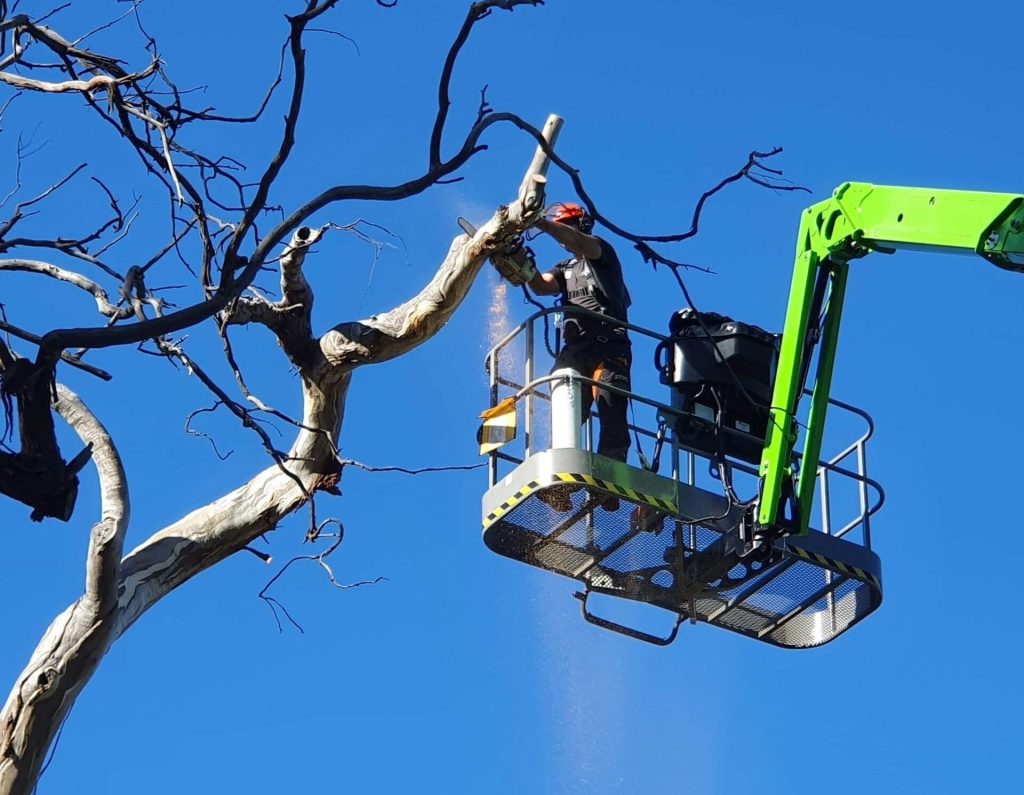

The Top 7 Signs Your Tree Could Be a Safety Hazard
Trees provide shade, beauty, and environmental benefits for homes and businesses throughout Canberra. However, even healthy-looking trees can sometimes develop structural issues, disease, or damage that makes them a serious safety concern. Left untreated, hazardous trees can cause significant property damage, injuries, and costly emergency repairs.
Understanding the warning signs of a dangerous tree can help you take action before a problem becomes a disaster. Whether it’s a large gum tree in your backyard or a mature tree near your driveway, recognising the risks early is essential.
At Stump’d Tree Services, we regularly perform arborist inspections and hazardous tree assessments throughout Canberra and Queanbeyan. Here are the top seven signs your tree could be a safety hazard.
1. Dead or Dying Branches
One of the most obvious indicators of a hazardous tree is the presence of dead or dying branches.
Dead branches are often brittle and can break off unexpectedly, particularly during strong winds, storms, or periods of extreme weather. These falling branches can cause damage to vehicles, roofs, fences, and power lines while posing a serious risk to people below.
Signs of dead branches include:
- Lack of leaves during growing seasons
- Brittle or cracking wood
- Peeling bark
- Discoloured branches
- Branches that snap easily
If multiple large branches are dead, it may indicate that the tree itself is in decline and requires a professional arborist inspection.
2. The Tree Is Leaning
While some trees naturally grow with a slight lean, a tree that suddenly begins leaning or appears to be leaning more over time should be inspected immediately.
A leaning tree may indicate:
- Root failure
- Soil movement
- Storm damage
- Structural weakness
- Ground instability
Pay close attention if you notice exposed roots, cracks in the soil around the base, or lifting ground on one side of the tree. These can all be signs that the root system is failing.
A leaning tree can become extremely dangerous if it is located near a home, driveway, neighbouring property, or public area.
3. Large Cracks in the Trunk
Cracks in a tree trunk are often a sign of structural weakness.
These cracks can develop due to:
- Storm damage
- Internal decay
- Rapid growth
- Physical impacts
- Disease
Large vertical cracks are particularly concerning because they can indicate that the trunk is splitting apart internally.
If left untreated, the tree may eventually fail completely, especially during strong winds or severe weather conditions common throughout Canberra.
A qualified arborist can assess the severity of the damage and determine whether pruning, bracing, or removal is necessary.
4. Signs of Decay or Rot
Tree decay is one of the leading causes of tree failure.
Unfortunately, much of a tree’s decay occurs internally, making it difficult for property owners to identify without professional assistance.
Warning signs include:
- Hollow sections in the trunk
- Soft or spongy wood
- Mushrooms growing around the base
- Cavities or holes
- Significant bark loss
When decay progresses, the tree’s structural strength is reduced, increasing the likelihood of branch failure or complete collapse.
If you notice any signs of decay, arranging an arborist inspection as soon as possible is recommended.
5. Root Damage
A tree’s roots provide both stability and access to essential nutrients and water. Damage to the root system can significantly impact tree health and increase the risk of failure.
Root damage commonly occurs from:
- Excavation work
- Construction projects
- Driveway installations
- Soil compaction
- Drainage problems
Signs of root issues may include:
- Tree leaning
- Thinning canopy
- Dead branches
- Reduced growth
- Fungal growth near the base
Because roots are largely hidden underground, many property owners are unaware of damage until symptoms begin appearing above ground.
6. The Tree Has Been Severely Damaged by Storms
Canberra experiences strong winds, heavy rain, and occasional severe storms that can cause significant tree damage.
Storm-damaged trees often develop:
- Split trunks
- Broken major limbs
- Hanging branches
- Structural instability
- Uprooted root systems
While some trees can recover through corrective pruning and maintenance, others become too dangerous to retain.
A damaged tree should always be professionally assessed after a major storm, particularly if it is located near structures or frequently used areas.
7. The Tree Is Located Too Close to Structures
As trees mature, their size can create safety concerns if they are located too close to buildings or infrastructure.
Potential risks include:
- Branches overhanging roofs
- Root damage to foundations
- Interference with power lines
- Damage to fences and retaining walls
- Blocked access or visibility
Large trees growing near homes can become especially hazardous during storms when branches are more likely to break.
Regular arborist inspections can identify potential problems before they result in expensive property damage.
Why Arborist Inspections Matter
Many hazardous trees show subtle warning signs long before major failures occur. Unfortunately, these signs are often overlooked by property owners.
Professional arborist inspections can identify:
- Structural defects
- Disease and decay
- Root problems
- Storm damage
- Risk factors
- Maintenance requirements
An experienced arborist can recommend the most appropriate course of action, whether that involves pruning, cabling, ongoing monitoring, or hazardous tree removal.
Early intervention is often the most cost-effective and safest solution.
When Should You Consider Hazardous Tree Removal?
While many tree issues can be addressed through maintenance, some trees become too dangerous to retain.
Removal may be necessary when:
- The tree is dead or dying
- Structural defects are severe
- Extensive decay is present
- Root systems have failed
- Storm damage is beyond repair
- The tree poses an immediate safety risk
Professional hazardous tree removal ensures the tree is removed safely while protecting surrounding structures and landscaping.
Contact Canberra’s Tree Safety Specialists
If you have concerns about a tree on your property, don’t wait until a branch falls or storm damage occurs. A professional inspection can identify risks early and provide peace of mind.
At Stump’d Tree Services, we provide expert arborist inspections, tree pruning, hazardous tree assessments, tree removal, hedge trimming, and stump grinding throughout Canberra, Queanbeyan, and surrounding areas.
Led by experienced arborist Leon Ciura, our team is committed to helping property owners maintain safe and healthy trees.
For professional advice or to arrange an inspection, contact Stump’d Tree Services today on 0434 510 767.
When it comes to Tree Safety in Canberra, trust the local experts to keep your property safe and your trees properly maintained.